

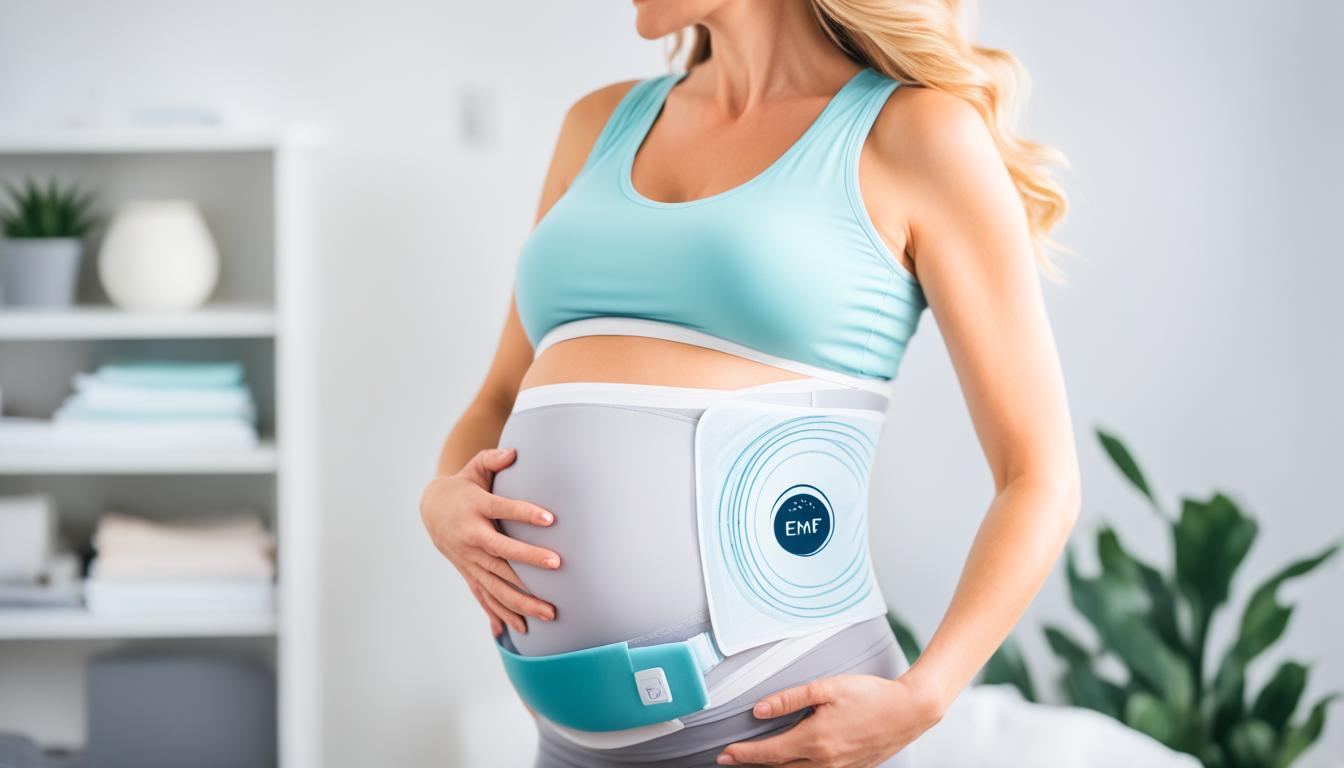
EMF Protection Belly Bands offer expecting mothers a way to shield their developing babies from electromagnetic field exposure during pregnancy. These specialized garments combine the comfort of traditional maternity support bands with conductive materials designed to block or reduce EMF radiation from common sources like cell phones, Wi-Fi routers, and other wireless devices.
As awareness grows about potential EMF effects on fetal development, many pregnant women are seeking practical protection solutions that don’t interfere with their daily routines. Belly bands provide a discreet, wearable option that can be worn under regular clothing while providing targeted protection for the abdominal area where the baby is developing.
TL;DR
- EMF protection belly bands typically contain 20-50% silver fiber content for electromagnetic shielding effectiveness.
- Most quality bands offer 30-40 dB of EMF reduction across frequencies from 10 MHz to 10 GHz.
- Proper fit requires measuring around the widest part of your belly and choosing a band 2-4 inches larger for comfort.
- Clinical studies suggest wearing protection for 6-8 hours daily provides optimal benefits without restricting movement.
EMF Protection Belly Bands for Pregnancy
EMF protection belly bands work by incorporating conductive materials like silver fibers or copper mesh into stretchable fabric that wraps around the pregnant belly. The conductive elements create a barrier that deflects electromagnetic radiation away from the fetal area, similar to how a Faraday cage works but in a wearable format.
Most bands are designed to be worn during the second and third trimesters when the baby is most vulnerable to external influences. They typically measure 6-10 inches in height and stretch to accommodate growing bellies throughout pregnancy.
How EMF Belly Bands Work
The shielding mechanism relies on the principle of electromagnetic reflection and absorption. When EMF waves encounter the conductive fibers in the band, they’re either reflected away from the body or absorbed by the material rather than penetrating to the fetal area.
The effectiveness depends on several factors including the percentage of conductive material, the weave density of the fabric, and proper fit against the body. Understanding different EMF shielding materials can help you evaluate the quality of various belly band options.
Types of EMF Protection Materials Used
Different belly bands use various conductive materials, each with distinct advantages and limitations. Silver fiber bands are the most common due to silver’s excellent conductivity and antimicrobial properties.
Here are the main material types used in EMF protection belly bands:
- Silver fiber blend – Usually 20-50% silver content mixed with cotton or polyester for comfort and flexibility.
- Copper mesh integration – Thin copper wires woven into the fabric for strong EMF blocking at lower cost.
- Stainless steel thread – Durable option that maintains shielding effectiveness through multiple washes.
- Multi-layer construction – Combines different conductive materials for broader frequency protection.
Silver fiber bands typically offer the best balance of effectiveness, comfort, and durability, though they come at a higher price point than copper or steel alternatives.
Shielding Effectiveness Ratings
EMF protection is measured in decibels (dB), with higher numbers indicating better shielding. Most quality belly bands provide 30-40 dB of attenuation, which blocks 99.9% of EMF radiation in their effective frequency range.
Look for bands that specify their shielding effectiveness across different frequency ranges, as various EMF sources operate at different frequencies. Cell phones typically operate at 800-2100 MHz, while Wi-Fi operates at 2.4 and 5 GHz.
Choosing the Right Size and Fit
Proper fit is essential for both comfort and EMF protection effectiveness. A band that’s too loose won’t maintain consistent contact with your body, creating gaps where EMF can penetrate.
Follow these steps to ensure proper sizing:
- Measure your belly. Use a soft measuring tape around the widest part of your pregnant belly, typically at navel level.
- Account for growth. Add 2-4 inches to your current measurement to accommodate continued expansion throughout pregnancy.
- Check adjustability. Look for bands with velcro, snaps, or elastic panels that allow for size adjustments as you grow.
- Consider wearing time. If you plan to wear the band for extended periods, choose a slightly looser fit for comfort.
Most manufacturers provide size charts specific to their products, but these general guidelines help ensure you get the right fit from the start.
Sizing Tip
Order your belly band during your second trimester when your belly has established its shape but before maximum expansion. This timing gives you the best baseline measurement for the remaining pregnancy months.
Comfort Considerations
Since you’ll likely wear the band for several hours at a time, comfort features matter significantly. Look for bands with soft inner linings, breathable fabrics, and seamless construction to prevent chafing or irritation.
Some bands include removable padding or cushioning at pressure points. Others feature moisture-wicking properties to keep you dry during extended wear, especially important as pregnancy progresses and body temperature regulation becomes more challenging.
When and How Long to Wear EMF Belly Bands
Most healthcare providers and EMF protection experts recommend wearing belly bands during periods of highest EMF exposure rather than continuously. This typically means wearing them during work hours, when using electronic devices, or in high-EMF environments.
Common wearing scenarios include:
- Office work – Protection from computers, Wi-Fi networks, and cell phone radiation during 8-hour workdays.
- Travel – Shielding from airport security scanners, airplane electronics, and mobile hotspots.
- Home use – Protection while using laptops, tablets, or when near smart home devices.
- Sleep – Some women wear bands overnight if they sleep near electronic devices or live in high-EMF areas.
Start with 2-3 hours of daily wear to ensure comfort, then gradually increase duration based on your needs and comfort level. Planning EMF reduction strategies for your baby’s future environment can complement the protection you’re providing during pregnancy.
Daily Usage Guidelines
Most experts suggest 6-8 hours of daily wear provides optimal protection without causing discomfort or restricting circulation. However, every pregnancy is different, and you should adjust based on your comfort level and specific EMF exposure patterns.
Remove the band immediately if you experience any discomfort, skin irritation, or restricted movement. Some women find alternating between wearing the band and taking breaks helps maintain comfort during longer protection periods.
Care and Maintenance
Proper care extends the life and effectiveness of EMF protection belly bands. The conductive materials require gentler washing methods than regular clothing to preserve their shielding properties.
Follow these care instructions for optimal longevity:
- Hand wash recommended. Use cool water and mild detergent without bleach or fabric softeners.
- Gentle machine cycle. If machine washing, use delicate cycle with cold water and place band in mesh laundry bag.
- Air dry only. Heat from dryers can damage conductive fibers and reduce shielding effectiveness.
- Avoid harsh chemicals. Skip bleach, fabric softeners, and strong detergents that can break down metallic fibers.
Store your band flat or loosely rolled to prevent creasing or stretching of the conductive materials. With proper care, most quality bands maintain their protective properties through 50-100 wash cycles.
Signs Your Band Needs Replacement
EMF protection effectiveness can decrease over time due to wear and washing. Look for these indicators that your band may need replacement:
- Visible wear – Thinning fabric, loose threads, or metallic fibers pulling away from the base material.
- Loss of stretch – Band no longer fits snugly or has lost its elastic recovery.
- Reduced conductivity – If you have an EMF meter, you can test whether the band still provides effective shielding.
- Comfort issues – Bands that become rough, scratchy, or irritating may have compromised fiber integrity.
Most quality belly bands last 6-12 months with regular use and proper care, which typically covers the duration of pregnancy protection needs.
Cost Considerations and Value
EMF protection belly bands range from $50-200 depending on materials, brand reputation, and shielding effectiveness. While this represents a significant investment, many parents view it as worthwhile insurance for their baby’s development.
Price factors include the percentage of conductive material, manufacturing quality, third-party testing certification, and brand reputation. Comparing different types of maternity EMF protection can help you understand the value proposition of various options.
Consider the cost per day of use when evaluating different bands. A $150 band worn daily for 6 months costs about $0.80 per day, which many parents find reasonable for potential peace of mind and protection.
Insurance and HSA Coverage
Some health insurance plans or Health Savings Accounts (HSAs) may cover EMF protection devices when prescribed by a healthcare provider, though coverage varies significantly by plan and provider.
Check with your insurance company about coverage for “medical devices” or “preventive health equipment” if your doctor recommends EMF protection during pregnancy. Keep receipts and documentation for potential reimbursement or tax deduction purposes.
Frequently Asked Questions
Are EMF protection belly bands safe to wear during pregnancy?
EMF protection belly bands are generally considered safe when properly fitted and worn as directed. The materials used are non-toxic and the bands don’t emit any radiation – they only block it.
How effective are belly bands at blocking EMF radiation?
Quality EMF belly bands typically provide 30-40 dB of shielding, blocking 99.9% of electromagnetic radiation in their effective frequency range. Effectiveness varies by material quality and proper fit.
Can I wear an EMF belly band all day during pregnancy?
Most experts recommend 6-8 hours of daily wear rather than continuous use. Start with shorter periods and increase gradually based on comfort and specific protection needs.
Do EMF belly bands interfere with medical devices or ultrasounds?
Remove EMF protection bands before medical procedures, ultrasounds, or when using medical monitoring devices. The conductive materials may interfere with some medical equipment readings.
How do I know if my EMF belly band is working properly?
You can test effectiveness with an EMF meter by comparing readings with and without the band in place. Properly functioning bands should show significant reduction in EMF measurements when worn correctly.
Final Thoughts
EMF Protection Belly Bands provide expecting mothers with a practical way to reduce electromagnetic field exposure during pregnancy’s most critical developmental periods. While research on EMF effects during pregnancy continues evolving, many women find peace of mind in taking proactive protection steps for their unborn children.
Choose a band based on material quality, proper sizing, and your specific exposure patterns rather than price alone. For additional insights into EMF exposure concerns during pregnancy, the World Health Organization’s guidance on electromagnetic fields provides authoritative information on current research and safety recommendations.


The information on this website is for general purposes only and is not a substitute for professional financial advice.
Always consult a financial professional before making decisions.


