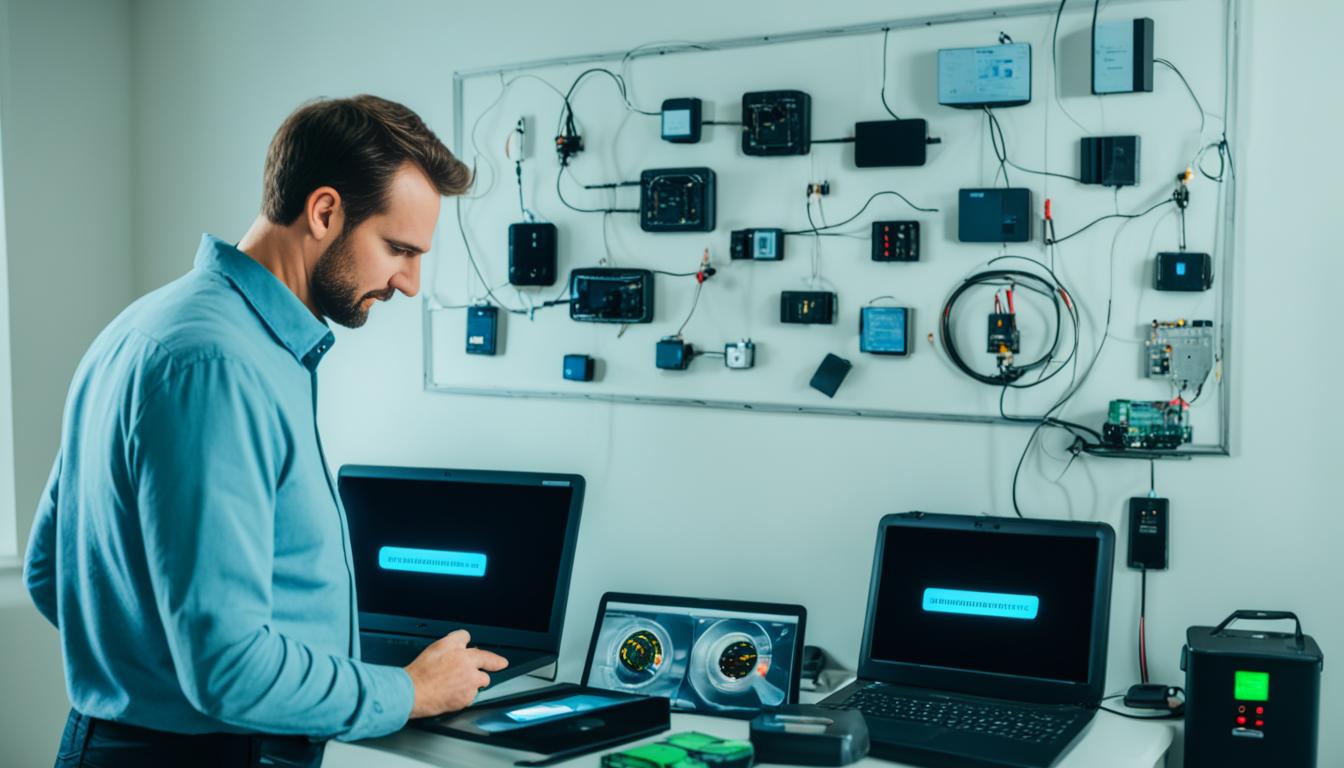
Where EMFs Lurk in our homes and workplaces often goes unnoticed, yet these invisible electromagnetic fields surround us constantly throughout our daily routines. Most people recognize obvious sources like cell phones and Wi-Fi routers, but countless hidden EMF emitters operate silently in the background. Understanding these concealed sources helps you make informed decisions about reducing unnecessary exposure in your living spaces.
Modern life brings convenience through electronic devices, but it also introduces electromagnetic radiation from unexpected places. From the baby monitor in your nursery to the smart meter outside your bedroom wall, EMF sources hide in plain sight.
TL;DR
- Dimmer switches can emit EMFs up to 3 feet away even when lights are off.
- Electric blankets generate magnetic fields of 15-100 milligauss directly against your body for 6-8 hours nightly.
- Fluorescent lights produce both electric and magnetic fields plus dirty electricity spikes of 2000-6000 Hz.
- Baby monitors emit RF radiation continuously within 6 feet of cribs, often exceeding cell phone levels.
Where EMFs Lurk in Your Home
Your home contains dozens of hidden EMF sources that most people never consider. These everyday items generate electromagnetic fields while performing their intended functions, creating an invisible web of radiation throughout your living space.
Identifying common EMF sources starts with recognizing that anything plugged into the wall creates an electric field, even when turned off. The wiring behind your walls carries current and generates magnetic fields whenever electricity flows through the system.
Kitchen Appliances Beyond the Obvious
While everyone knows microwaves emit EMFs during operation, other kitchen devices create fields you might not expect. Induction cooktops generate powerful magnetic fields that extend several inches beyond the cooking surface.
- Refrigerator compressors – create magnetic field spikes every few minutes when cycling on and off.
- Garbage disposals – produce high magnetic fields during the brief periods they operate.
- Ice makers – generate EMFs continuously during ice production cycles.
- Electric can openers – emit strong fields when plugged in, even when not running.
Hidden Sources in Living Areas
Your family room and living spaces contain numerous EMF sources disguised as comfort and convenience features. Entertainment systems, lighting controls, and heating elements all contribute to your daily electromagnetic exposure.
Television sets create electric fields even in standby mode, and the cables running behind walls carry signals that generate additional electromagnetic radiation. Sound systems with wireless connectivity broadcast RF signals continuously to maintain network connections.
Lighting and Electrical Controls
Modern lighting systems hide significant EMF sources that operate regardless of whether lights are on or off. Dimmer switches create particularly problematic emissions through their electronic switching mechanisms.
- Install mechanical switches. Replace electronic dimmers with simple on-off switches to eliminate standby EMFs.
- Check CFL and LED bulbs. These energy-efficient options produce dirty electricity and high-frequency emissions.
- Examine track lighting. Low-voltage track systems use transformers that generate strong magnetic fields.
- Consider lamp placement. Table and floor lamps with electronic switches emit fields even when unplugged if they have memory settings.
Bedroom EMF Sources
The bedroom presents unique EMF challenges because you spend 6-8 hours in close proximity to potential sources while your body rests and repairs. Creating an EMF-free bedroom environment requires identifying all the hidden sources that operate during sleep hours.
Electric blankets and heated mattress pads place EMF-generating wires directly against your body for extended periods. Digital alarm clocks create electric fields within arm’s reach of your head throughout the night.
Quick Bedroom Assessment
Walk around your bed with an EMF meter during typical sleep hours. Many sources only activate at specific times or temperature thresholds.
Climate Control Systems
Heating and cooling systems generate EMFs through their electrical components and control systems. Electric baseboard heaters create magnetic fields along entire wall sections when heating cycles engage.
- Thermostats – wireless models broadcast RF signals every few minutes to communicate with HVAC systems.
- Electric space heaters – produce intense magnetic fields within 3-6 feet during operation.
- Ceiling fans – motors generate magnetic fields that extend downward into sleeping areas.
- Air purifiers – electronic filters and ionizers create electric fields and ozone emissions.
Bathroom and Personal Care EMFs
Bathrooms contain several high-EMF devices that people use in close proximity to their bodies. Hair dryers, electric toothbrushes, and heated towel bars all generate significant electromagnetic fields during use.
Ground Fault Circuit Interrupter (GFCI) outlets produce EMFs even when nothing is plugged in, and bathroom exhaust fans with electronic controls emit fields continuously. Electric water heaters located near bathrooms create magnetic fields through adjacent walls.
Hidden Wiring and Plumbing Sources
Metal plumbing pipes can carry electrical current and create magnetic fields when grounding systems use water lines. This phenomenon turns your entire plumbing system into a conductor for electromagnetic energy.
Proper grounding techniques help prevent plumbing-related EMF issues while maintaining electrical safety standards.
Office and Workspace EMFs
Home offices concentrate multiple EMF sources in small spaces where people spend hours daily. Beyond computers and printers, workspaces contain hidden sources like surge protectors, UPS systems, and wireless network equipment.
Fluorescent desk lamps generate both EMFs and dirty electricity, while charging stations for multiple devices create electromagnetic hotspots. Cable management systems that bundle power and data cables can amplify EMF emissions through electromagnetic coupling.
Technology Infrastructure
The backbone of modern home technology creates EMF fields throughout your property. Network equipment, smart home hubs, and wireless extenders broadcast signals continuously to maintain connectivity.
- Router placement – central locations maximize coverage but also maximize exposure to living areas.
- Mesh networks – multiple access points create overlapping RF fields throughout the home.
- Smart home hubs – coordinate device communications through constant wireless transmissions.
- Security systems – wireless sensors and cameras broadcast status updates regularly.
Outdoor and External EMF Sources
EMF sources outside your home can penetrate walls and affect indoor environments. Power lines, transformers, and cell towers create electromagnetic fields that extend into residential areas.
Smart utility meters mounted on exterior walls often end up directly behind bedrooms or living areas. These devices transmit usage data multiple times daily using RF signals that easily pass through standard building materials.
Neighborhood Infrastructure
Municipal systems create EMF sources that affect entire neighborhoods. Street lighting with wireless controls, traffic management systems, and emergency communication networks all contribute to ambient electromagnetic radiation.
- Identify nearby cell towers. Use online databases to locate transmission facilities within a half-mile radius of your home.
- Check utility equipment. Transformers, switching stations, and distribution lines create varying EMF levels.
- Monitor seasonal changes. Some sources like pool equipment and irrigation systems operate only during specific months.
- Consider future development. New construction and infrastructure upgrades can introduce additional EMF sources.
Measurement and Detection Strategies
Measuring EMF levels accurately requires understanding that many hidden sources operate intermittently or only under specific conditions. A single measurement session might miss sources that activate at different times.
Professional-grade meters can help identify hidden sources, but even basic detectors reveal major contributors to your electromagnetic environment. The key lies in systematic testing at various times and under different operating conditions.
Frequently Asked Questions
Do EMFs from hidden sources pose the same health risks as obvious ones?
Hidden EMF sources can be more concerning because they provide continuous exposure without awareness, preventing you from taking protective measures. The biological effects depend on field strength, frequency, and duration rather than whether you notice the source.
How can I find EMF sources I cannot see or hear?
Use an EMF meter to scan your environment systematically, checking areas at different times of day and under various conditions. Many hidden sources only activate during specific operating cycles or environmental triggers.
Are battery-powered devices EMF-free?
Battery-powered devices still generate EMFs during operation, though usually lower levels than AC-powered equipment. Wireless battery devices like Bluetooth speakers and smart watches create RF emissions regardless of their power source.
Can EMF sources affect me through walls and floors?
Most EMFs easily penetrate standard building materials including drywall, wood, and concrete. Magnetic fields pass through virtually all common construction materials, while electric fields can be partially blocked by metal barriers.
Do older homes have fewer hidden EMF sources?
Older homes may have fewer electronic devices but often contain outdated wiring that creates higher EMF levels. Aluminum wiring, knob-and-tube systems, and improper grounding can generate significant electromagnetic fields throughout the structure.
Final Thoughts
Where EMFs Lurk in your daily environment extends far beyond the obvious electronic devices most people recognize. These hidden sources operate continuously in the background, creating electromagnetic fields that affect your living spaces without obvious signs or symptoms.
Start by systematically detecting EMF sources room by room, paying special attention to areas where you spend the most time. Knowledge of these hidden sources empowers you to make informed decisions about managing your electromagnetic environment.


The information on this website is for general purposes only and is not a substitute for professional financial advice.
Always consult a financial professional before making decisions.