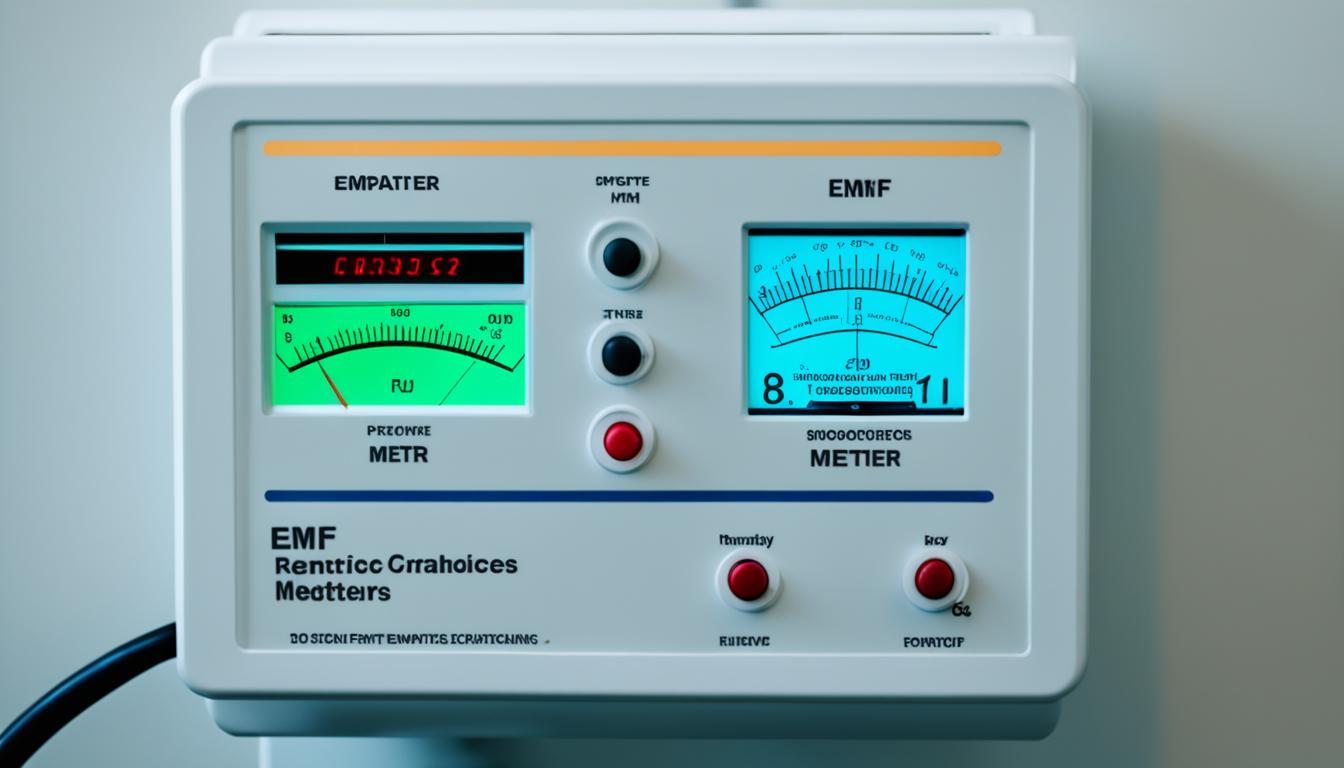
How To Detect EMFs A Comprehensive Guide starts with understanding what electromagnetic fields are and why measuring them matters for your home’s safety. Electromagnetic fields exist everywhere around us, from power lines and household appliances to wireless devices and cell towers.
Learning to detect EMFs gives you control over your exposure levels and helps you make informed decisions about your living environment. With the right tools and knowledge, you can identify EMF sources and take steps to reduce unnecessary exposure.
TL;DR
- EMF meters range from $30 basic models to $500+ professional units, with mid-range options around $150 offering the best value for home use.
- Safe EMF levels are generally under 2.5 milligauss for magnetic fields and under 10 V/m for electric fields in living spaces.
- The most common EMF sources in homes are within 6 feet of electrical panels, Wi-Fi routers, and major appliances like microwaves and refrigerators.
- Taking readings at different times of day reveals up to 300% variation in EMF levels due to electrical grid usage patterns.
How To Detect EMFs A Comprehensive Guide
Detecting EMFs requires the right equipment and a systematic approach to measurement. EMF meters come in different types designed to measure specific frequencies and field types.
The three main types of EMF meters measure electric fields, magnetic fields, and radio frequency radiation. Each type serves a different purpose and helps identify specific EMF sources in your environment.
Types of EMF Detection Equipment
- Gaussmeters – measure magnetic fields from power lines, appliances, and electrical wiring in milligauss units.
- Electric field meters – detect electric fields from live wires and electrical equipment, measured in volts per meter.
- RF meters – identify radio frequency radiation from wireless devices, cell towers, and Wi-Fi networks.
- Combination meters – measure multiple EMF types in one device, perfect for general home assessment.
Choosing the Right EMF Detection Device
Your EMF detection needs determine which meter type works best for your situation. Home users typically benefit from combination meters that measure all three EMF types.
Professional-grade meters offer higher accuracy but cost significantly more than basic models. Most homeowners find mid-range meters provide sufficient accuracy for identifying problem areas and monitoring exposure levels.
Key Features to Consider
- Frequency range. Look for meters covering 50Hz to 3GHz to detect most common EMF sources.
- Display quality. Clear digital displays with backlighting make readings easier to see in various conditions.
- Audio alerts. Sound alerts help identify EMF spikes without constantly watching the display.
- Data logging. Some meters record measurements over time for pattern analysis.
Start With a Baseline Reading
Take EMF measurements with all devices turned off first to establish your home’s baseline levels. This helps you identify which devices contribute most to your overall EMF exposure.
Step-by-Step EMF Detection Process
Systematic EMF detection follows a logical sequence from room to room. Start with areas where you spend the most time, particularly bedrooms and living spaces.
Begin measurements during low-usage periods when fewer electrical devices are running. This approach gives you cleaner baseline readings before testing individual EMF sources.
Room-by-Room Detection Method
- Turn off all wireless devices. Start with Wi-Fi, cell phones, and Bluetooth devices powered down.
- Measure baseline levels. Record readings in each room’s center with devices off.
- Test near electrical outlets. Hold the meter 6 inches from outlets and switches.
- Check appliance areas. Measure around refrigerators, microwaves, and entertainment centers.
- Test sleeping areas. Pay special attention to bed locations and nearby electrical equipment.
- Turn devices back on. Re-measure to see how each device affects EMF levels.
Understanding EMF Measurement Units
EMF readings appear in different units depending on the field type being measured. Understanding these units helps you interpret your readings and compare them to WHO safety guidelines.
Magnetic fields appear in milligauss (mG) or microtesla (µT), while electric fields show up as volts per meter (V/m). Radio frequency measurements typically display in milliwatts per square meter (mW/m²) or volts per meter.
Common EMF Level Ranges
- Background levels – 0.1-0.5 mG magnetic, 1-5 V/m electric in most homes without nearby power sources.
- Elevated levels – 2-10 mG near appliances, 10-50 V/m near electrical panels or wiring.
- High exposure areas – 10+ mG near power lines, 100+ V/m directly under high-voltage lines.
- RF background – 0.01-0.1 mW/m² in rural areas, 0.1-1 mW/m² in urban environments.
Identifying Common EMF Sources
Common household EMF sources create predictable patterns that become easier to recognize with experience. Electrical wiring, appliances, and wireless devices each produce distinct EMF signatures.
Power lines and electrical panels generate steady magnetic fields that don’t fluctuate much throughout the day. Appliances create temporary EMF spikes when cycling on and off, while wireless devices produce constant radio frequency emissions.
High-EMF Areas to Check First
- Electrical panels – typically show 5-20 mG within 3 feet of the main breaker box.
- Kitchen appliances – microwaves, dishwashers, and refrigerators create 2-10 mG fields when running.
- Home offices – computers, printers, and Wi-Fi routers combine to create elevated RF levels.
- Bedroom electronics – alarm clocks, phone chargers, and electric blankets near sleeping areas.
Best Practices for Accurate EMF Detection
Accurate EMF detection requires consistent measurement techniques and proper meter handling. Environmental factors like weather and time of day can affect readings, so take multiple measurements for reliable results.
Hold the meter steady and avoid rapid movements that can cause false readings. Take measurements at different times to capture variations in EMF levels throughout typical daily usage patterns.
Measurement Timing Considerations
- Early morning readings. Capture baseline levels when electrical usage is lowest.
- Peak usage times. Test during evening hours when most appliances and devices are active.
- Different days. Weekend vs weekday patterns can vary significantly in residential areas.
- Weather variations. Humidity and temperature can affect RF propagation and readings.
Articles You May Like
Frequently Asked Questions
What EMF levels are considered safe for home environments?
Most experts recommend keeping magnetic fields under 2.5 milligauss and electric fields under 10 V/m in living spaces. RF levels should stay below 0.1 mW/m² for long-term exposure areas like bedrooms.
How often should I test EMF levels in my home?
Test EMF levels annually or whenever you add new electrical devices or notice changes in your environment. Also retest after electrical work or when neighbors install new equipment that might affect your readings.
Can weather conditions affect EMF detector readings?
Yes, humidity and temperature can influence RF measurements, while electrical storms may temporarily affect all EMF readings. Take measurements during stable weather conditions for the most accurate results.
Do I need different meters for different types of EMF?
While specialized meters offer higher accuracy, a quality combination meter measuring electric fields, magnetic fields, and RF radiation works well for most home detection needs. Single-purpose meters are mainly needed for professional assessments.
What’s the difference between cheap and expensive EMF detectors?
Expensive meters typically offer wider frequency ranges, higher accuracy, data logging features, and better build quality. Basic meters under $50 give general readings but may miss certain frequencies or provide less precise measurements.
Final Thoughts
How To Detect EMFs A Comprehensive Guide gives you the foundation to start measuring electromagnetic fields in your living space with confidence. The right detection equipment and systematic approach help you identify EMF sources and make informed decisions about your exposure levels.
Start with a basic combination meter and focus on areas where you spend the most time. Regular monitoring helps you track changes and verify that any protection measures you implement are working effectively.